Common Causes of Cracks in Poured Concrete Walls
Understanding common causes of cracks in poured concrete walls can help you find local contractors who specialize in effective repair solutions.
Understanding the common causes of cracks in poured concrete walls can help property owners address potential issues before they escalate. Cracks often result from factors such as soil movement, temperature fluctuations, or improper mixing and curing during installation. Recognizing these signs early can be crucial for maintaining the structural integrity of a property, especially in areas where ground stability or weather conditions are frequent concerns. Local contractors experienced in poured wall repair are well-equipped to diagnose the root causes of cracking and recommend effective solutions to protect the longevity of the foundation.
Property owners who notice cracks in their poured concrete walls may find it beneficial to explore the underlying reasons behind these issues. Addressing causes like soil settling, hydrostatic pressure, or inadequate reinforcement can prevent further damage and costly repairs down the line. Connecting with seasoned service providers in the area ensures that repairs are tailored to the specific conditions of the property, helping to restore stability and peace of mind. Keep reading to learn more about how understanding these causes can lead to better maintenance and more durable poured concrete walls.
- Concrete poured wall repair services are often needed when cracks develop due to soil settlement, prompting local contractors to assess foundation stability and perform necessary repairs. When temperature fluctuations cause expansion and contraction, local service providers can address resulting cracks with appropriate sealing and reinforcement techniques. Water infiltration and moisture issues are common causes of cracks in poured concrete walls, and local pros typically evaluate drainage and waterproofing needs to prevent further damage. Structural shifting or shifting soil can lead to cracks, and experienced contractors can stabilize and reinforce the walls to restore integrity. Cracks caused by poor initial mixing or curing of concrete are also addressed by local experts through targeted repair methods.
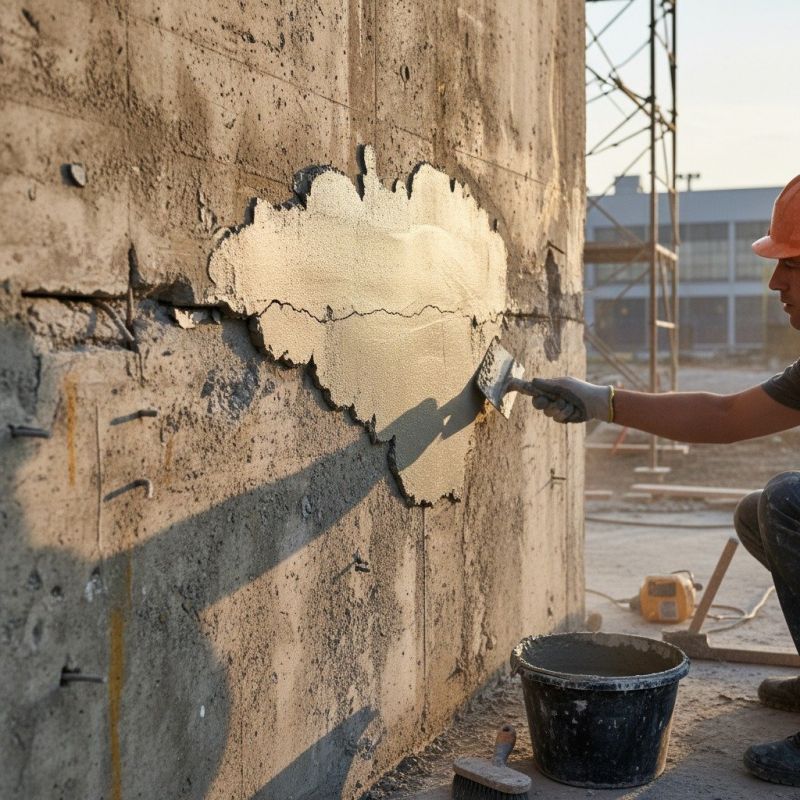
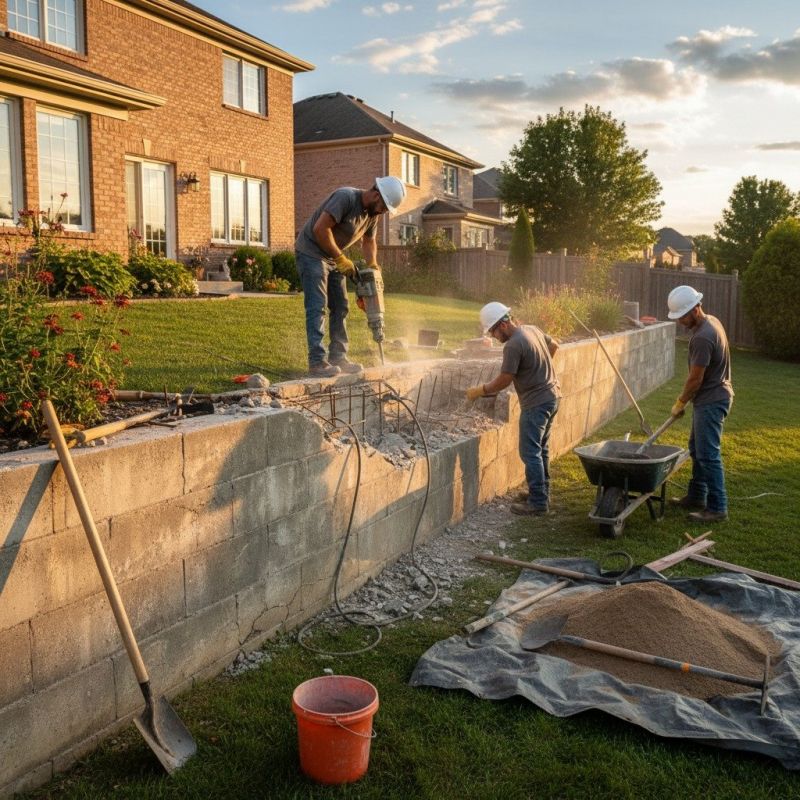
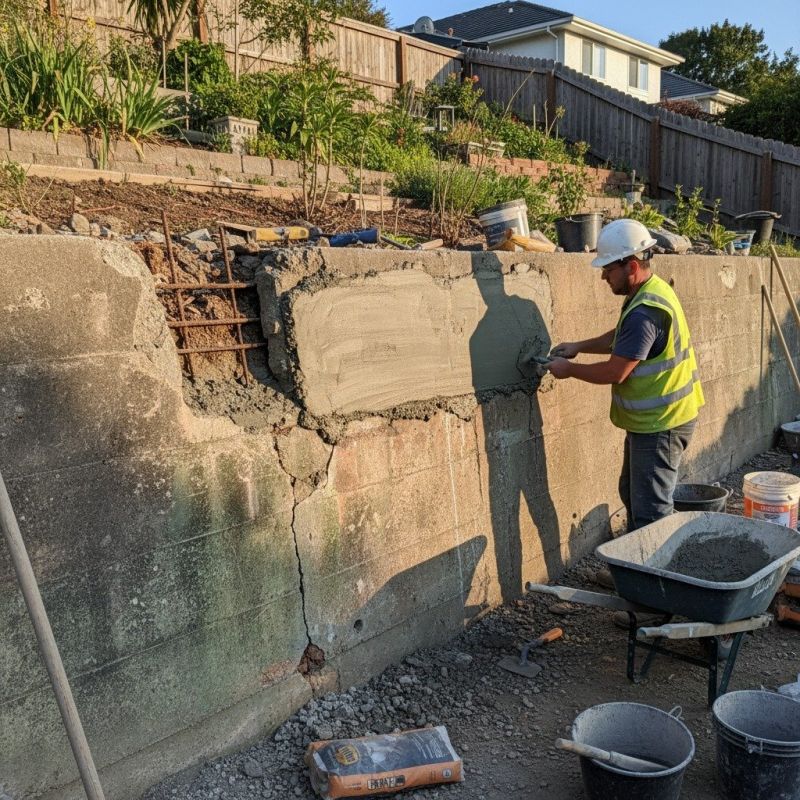
Understanding the common causes of cracks in poured concrete walls is essential for homeowners who notice damage or are planning foundation projects. When people search for this topic, they are often concerned about structural stability, water intrusion, or the overall longevity of their property’s foundation. Cracks can indicate underlying issues that, if left unaddressed, may lead to more significant problems like basement leaks or uneven settling. Homeowners typically want to identify whether cracks are superficial or signs of deeper structural concerns, and they often seek guidance on how to prevent future damage through proper repairs or reinforcement strategies.
This topic relates closely to problems such as foundation settlement, hydrostatic pressure, and temperature-related stresses. For example, cracks caused by soil movement or shifting ground can compromise the wall’s integrity over time. Similarly, water pressure exerted against the concrete can lead to cracking, especially if drainage systems are inadequate or if water is allowed to pool around the foundation. Many homeowners also consider their plans for renovations or repairs, aiming to address existing cracks before they worsen. Understanding these causes helps in choosing the right solutions, whether through crack repair, wall reinforcement, or drainage improvements, which local contractors specializing in poured wall repair can provide.
Properties that typically come up in discussions about cracks in poured concrete walls include residential homes, especially those with basements or crawl spaces, as well as small commercial buildings or garages. These structures often have poured concrete walls as part of their foundation or basement walls, making them vulnerable to the common causes of cracking. Homes built on uneven or clay-rich soil are particularly prone to foundation movement, which can result in visible cracks. Additionally, properties in areas with significant temperature fluctuations or heavy rainfall may experience more frequent or severe cracking. Recognizing the type of property and its specific conditions helps homeowners understand how these causes might impact their structures and when to seek professional assistance.
Local service providers specializing in poured wall repair play a crucial role in diagnosing and addressing the causes of cracks. They can assess the extent and origin of damage, determine whether cracks are related to settlement, water pressure, or other factors, and recommend appropriate repair solutions. These professionals are familiar with the common issues that affect different property types and can help homeowners develop a plan to stabilize and protect their foundation. Engaging experienced contractors ensures that repairs are performed correctly, minimizing the risk of future cracking or more serious structural problems. For homeowners concerned about cracks in poured concrete walls, connecting with local experts provides a practical step toward safeguarding their property’s foundation and long-term stability.
Foundation Repair Projects - These projects involve addressing structural issues in concrete, requiring similar skills in diagnosing cracks and implementing effective repairs for poured concrete walls.
Retaining Wall Construction - Building retaining walls involves understanding soil pressure and concrete placement, paralleling the planning and execution needed to prevent and repair cracks in poured concrete structures.
Basement Waterproofing - Waterproofing efforts often require sealing cracks and reinforcing concrete walls, making the skills used relevant to addressing common causes of cracks in poured concrete walls.
Concrete Restoration Services - Restoring old or damaged concrete surfaces involves crack repair techniques similar to those used in poured concrete wall repair projects.
Structural Reinforcement Projects - Reinforcing existing concrete structures demands knowledge of crack causes and proper repair methods, aligning with the skills needed for poured wall crack fixes.
Masonry and Wall Construction - Masonry projects involve working with concrete and understanding structural integrity, which shares planning and skill requirements with poured concrete wall repairs.
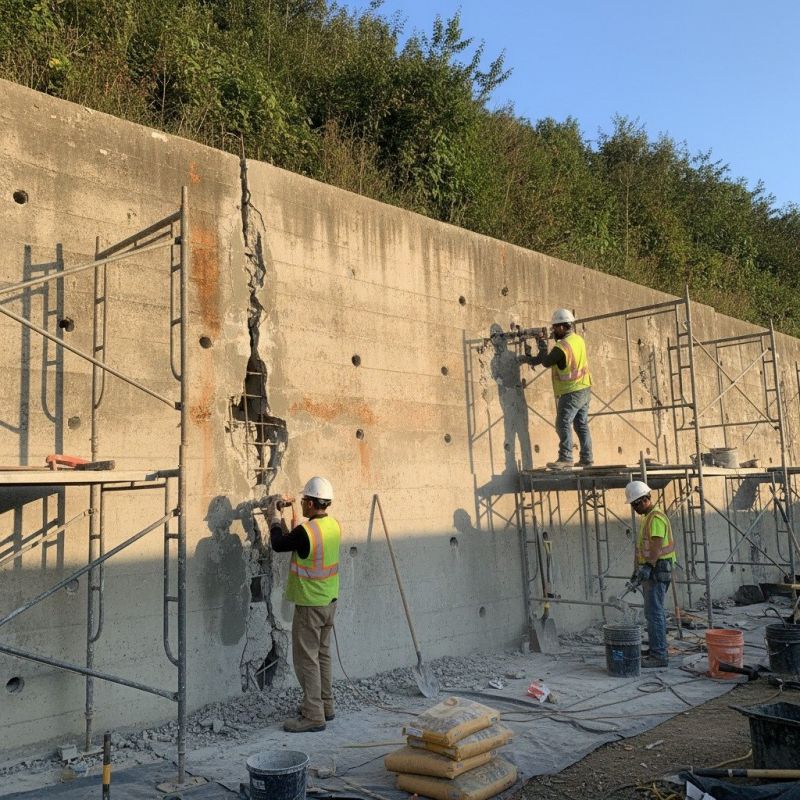
When comparing local contractors for concrete poured wall repair, it’s important to consider their experience with similar projects. Repairing cracks caused by common issues such as soil settlement, hydrostatic pressure, or temperature changes requires specialized knowledge of poured concrete walls. Service providers who have handled a variety of crack repair scenarios are more likely to understand the underlying causes and recommend appropriate solutions. Asking about their previous work on projects with similar conditions can help ensure they are familiar with the challenges specific to your situation.
Clear written expectations are essential when evaluating potential contractors. A detailed scope of work should outline the repair process, materials to be used, and any necessary preparations or follow-up steps. This transparency helps prevent misunderstandings and ensures that both parties are aligned on what the repair entails. Reputable service providers often provide written estimates or proposals that specify these details, making it easier to compare options and choose a contractor who clearly communicates their approach to addressing cracks in poured concrete walls.
Good communication and reputable references are key indicators of a reliable contractor. Service providers who are responsive and willing to answer questions demonstrate professionalism and a commitment to customer satisfaction. Additionally, seeking references or reviews from past clients can provide insights into the contractor’s ability to deliver quality work, especially on projects involving structural repairs. A contractor’s reputation for clear communication and positive references can help give confidence that they will effectively address the common causes of cracks in poured concrete walls and complete the repair work to a high standard.
Property owners often search for common causes of cracks in poured concrete walls when they are planning practical projects around their homes and businesses. Local pros provide Concrete Poured Wall Repair services for everyday jobs and straightforward project options.
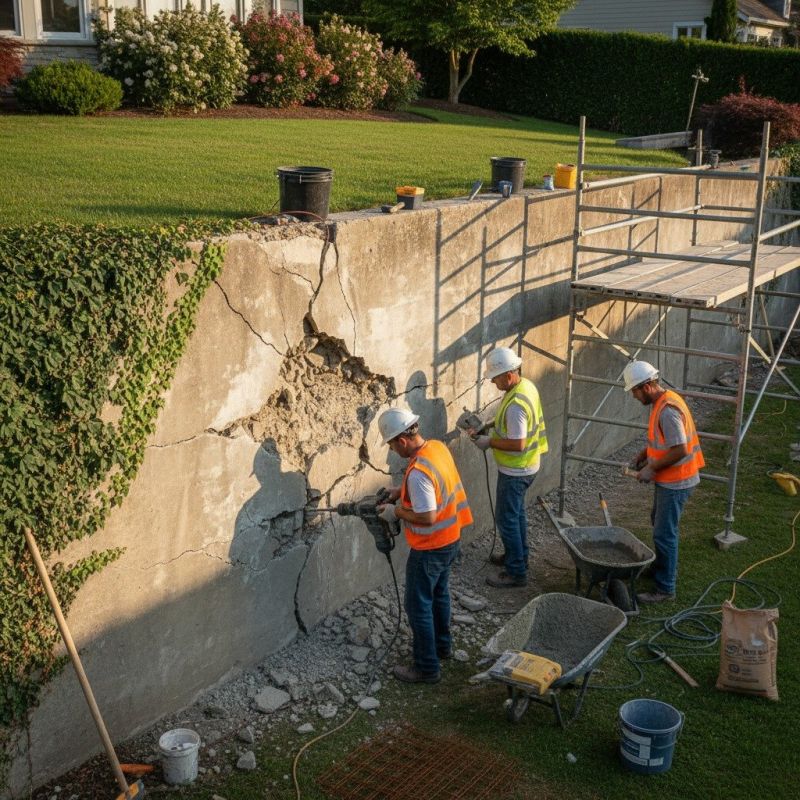
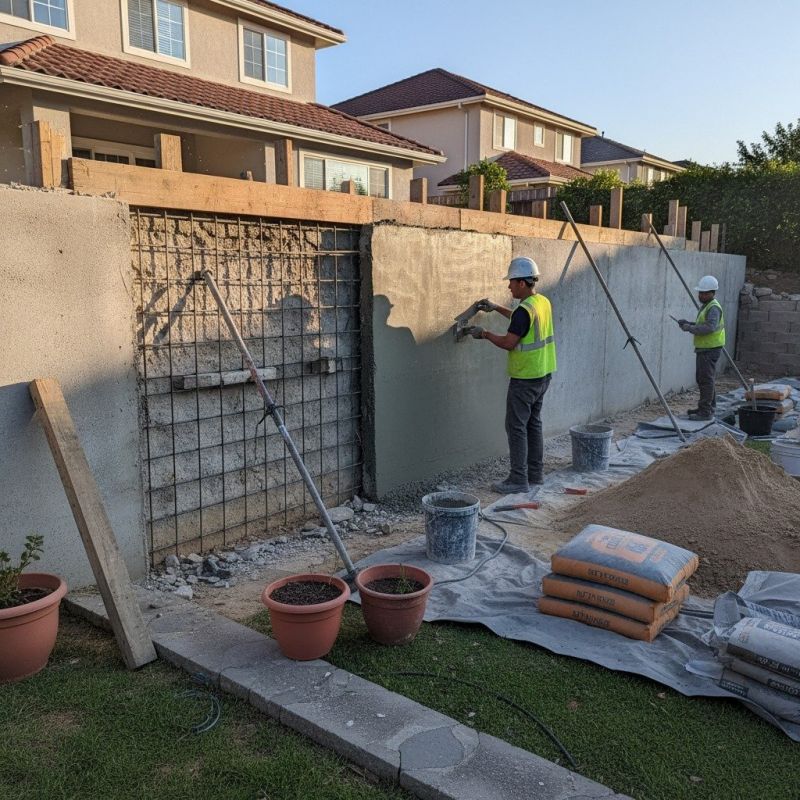
Understanding the common causes of cracks in poured concrete walls can help property owners identify potential issues early on. Everyday project situations such as improper soil preparation, inadequate curing, or shifts in the foundation can lead to stress and eventually cracking. Additionally, changes in moisture levels-whether from drought conditions or excessive watering-can cause the soil around the wall to expand or contract, putting pressure on the concrete. Recognizing these factors can prompt property owners to seek the expertise of local contractors who specialize in poured wall repair, ensuring that any damage is properly addressed before it worsens.
Many cracks in poured concrete walls are also caused by structural movement or settling over time. This can happen when the ground beneath the foundation shifts or if the concrete was poured without proper reinforcement. External influences like nearby construction, heavy traffic, or even natural ground vibrations may contribute to additional stress on the walls. When cracks appear, consulting experienced local service providers can help determine the root cause and recommend suitable repair solutions. These professionals can assess the situation and provide options to restore the integrity of the wall, helping to prevent further damage and maintain stability.
What are common causes of cracks in poured concrete walls? Common causes include soil movement, poor initial mixing, and temperature fluctuations that cause expansion and contraction, leading to cracks. Local contractors experienced in poured concrete wall repair can assess and address these issues effectively.
How does soil movement contribute to cracking in poured concrete walls? Soil shifting or settling exerts pressure on the wall, which can cause cracks to develop over time. Skilled service providers can evaluate soil stability and recommend solutions to prevent further damage.
Can temperature changes cause cracks in poured concrete walls? Yes, temperature fluctuations can cause concrete to expand and contract, resulting in cracks. Local pros can help with repairs and recommend measures to minimize temperature-related stress.
What role does improper mixing or curing play in cracking? Inadequate mixing or curing of concrete can weaken the structure, making it more prone to cracking. Professional contractors can ensure proper procedures are followed to prevent such issues.
How can local concrete repair specialists help with cracks caused by structural issues? They can evaluate the cause of cracks, such as foundation settlement or design flaws, and provide appropriate repair solutions to restore the wall’s integrity and stability.
Soil movement - Property owners can assess and improve drainage around their foundations to minimize soil shifting that causes cracks, with help from local contractors.
Poor concrete mix - Choosing quality materials and proper mixing techniques during initial construction can prevent early cracking, supported by local poured wall repair specialists.
Temperature fluctuations - Planning for expansion joints and using appropriate curing methods can reduce damage from temperature changes, with guidance from local pros.
Structural load stress - Reinforcing walls and avoiding excessive loads can help prevent cracks caused by structural pressure, with assistance from experienced local contractors.
If you are thinking about common causes of cracks in poured concrete walls for a property, this guide is meant to help you understand this topic, the typical project types, and how different options might fit your plans.
When you are ready, you can use the quote form on this page to share a few details about your project. From there, local pros can review the basics and follow up with options that match what you have in mind.